Modern sports stadiums with their fancy retractable roofs think they're so cool. But the Romans were doing it 2,000 years ago with the Colosseum, and they were doing it with style. 😎 That's right, the world's most famous amphitheater had a massive, retractable awning called a velarium that shaded 50,000 spectators from the scorching Roman sun. It was an engineering marvel that puts modern stadiums to shame.
The Velarium: How Did It Work?
The velarium was a masterpiece of Roman ingenuity. Here's how it functioned:
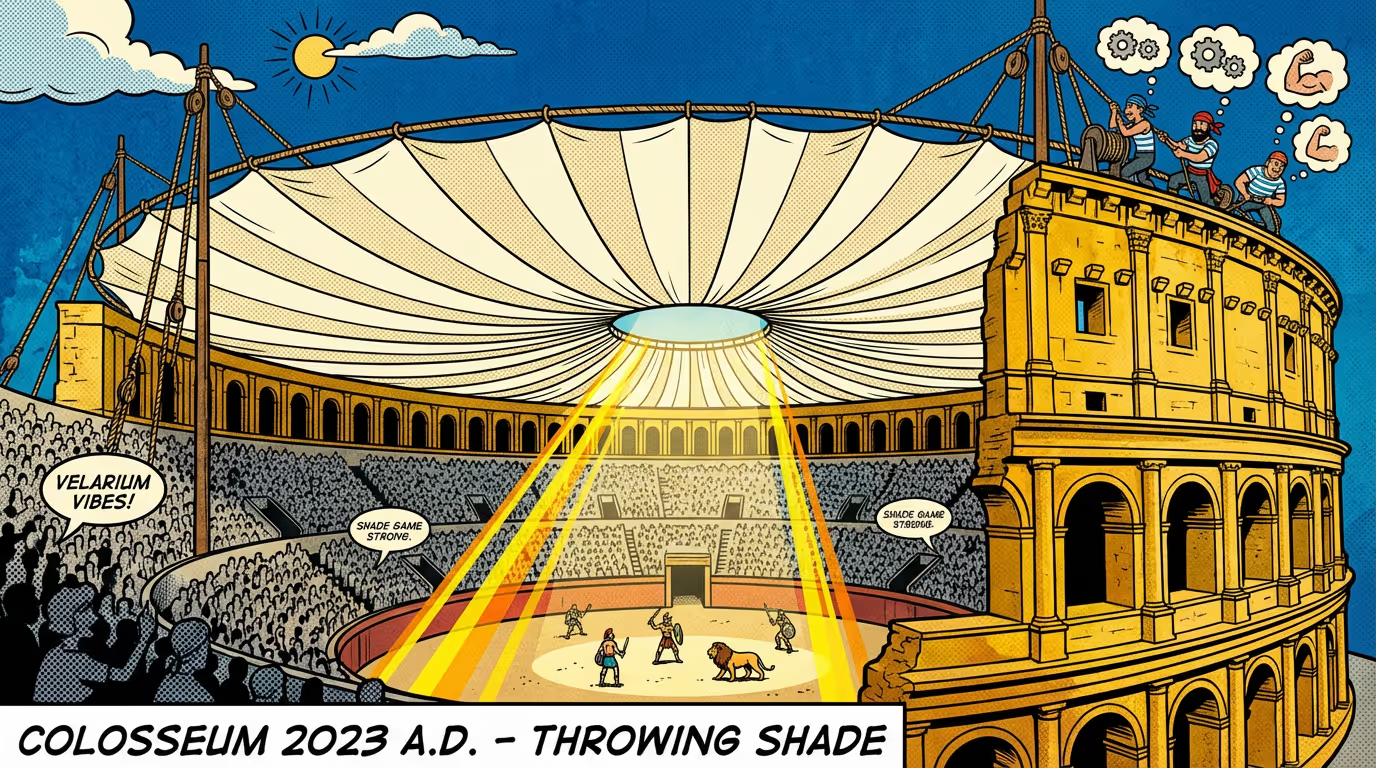
1. The Structure: The awning was made of several separate, tapered pieces of linen or canvas, the same fabric used for ship sails. It was supported by a complex web of ropes and 240 wooden masts that were installed on the top tier of the Colosseum. You can still see the sockets and brackets for these masts today.
2. The Design: The velarium didn't cover the entire arena. Instead, it sloped downwards towards a large central opening. This design not only made the massive structure more flexible but also created a dramatic spotlight effect on the arena floor, while keeping the spectators in the shade. Imagine watching gladiators fight in a literal cathedral of light. ✨
3. The Operators: Who do you hire to operate a massive, 24-ton retractable roof made of sailcloth? Sailors, of course. A special detachment of sailors from the Misenum naval fleet was stationed near the Colosseum specifically to operate the velarium. From their perches on the top tier, they used their expertise in rigging to extend and retract the awning with a complex system of ropes and pulleys.
More Than Just Shade
The velarium was more than just a practical solution to the heat. It was a statement. It showed off Rome's incredible engineering prowess and its obsession with spectacle. The dramatic lighting effect it created on the arena floor would have intensified the life-and-death dramas unfolding below, making the games even more thrilling for the bloodthirsty crowds.
The velarium also created a ventilation updraft, which would have circulated the air and provided a cool breeze for the 50,000 spectators packed into the stands. This was crucial, especially on hot summer days when the stench of blood, sweat, and wild animals would have been overwhelming.
Roman Engineering: Still Unmatched
The fact that the Romans could design, build, and operate such a massive and complex structure 2,000 years ago is a testament to their incredible ingenuity. While modern stadiums have their own engineering marvels, the velarium was a feat of manual engineering that required immense skill and coordination. It's a reminder that when it comes to sheer audacity and ambition, Roman engineering remains in a league of its own. 🔥
Sources & More Reading
1. Through Eternity Tours - "Was the Colosseum Covered? The Story of the Velarium"
An excellent, detailed explanation of how the velarium worked, who operated it, and the dramatic effect it had on the games.
2. Wikipedia - "Velarium"
Provides a concise overview of the velarium, including its use in other amphitheaters and the technical details of its construction.
3. Atlas Obscura - "Romans Once Filled the Colosseum With Water and Staged an Epic Mock Sea Battle"
While focused on the naval battles, this article highlights the incredible versatility of the Colosseum and the engineering mindset of the Romans.